BALMUDA JUST BECAUSE
BALMUDA
2025
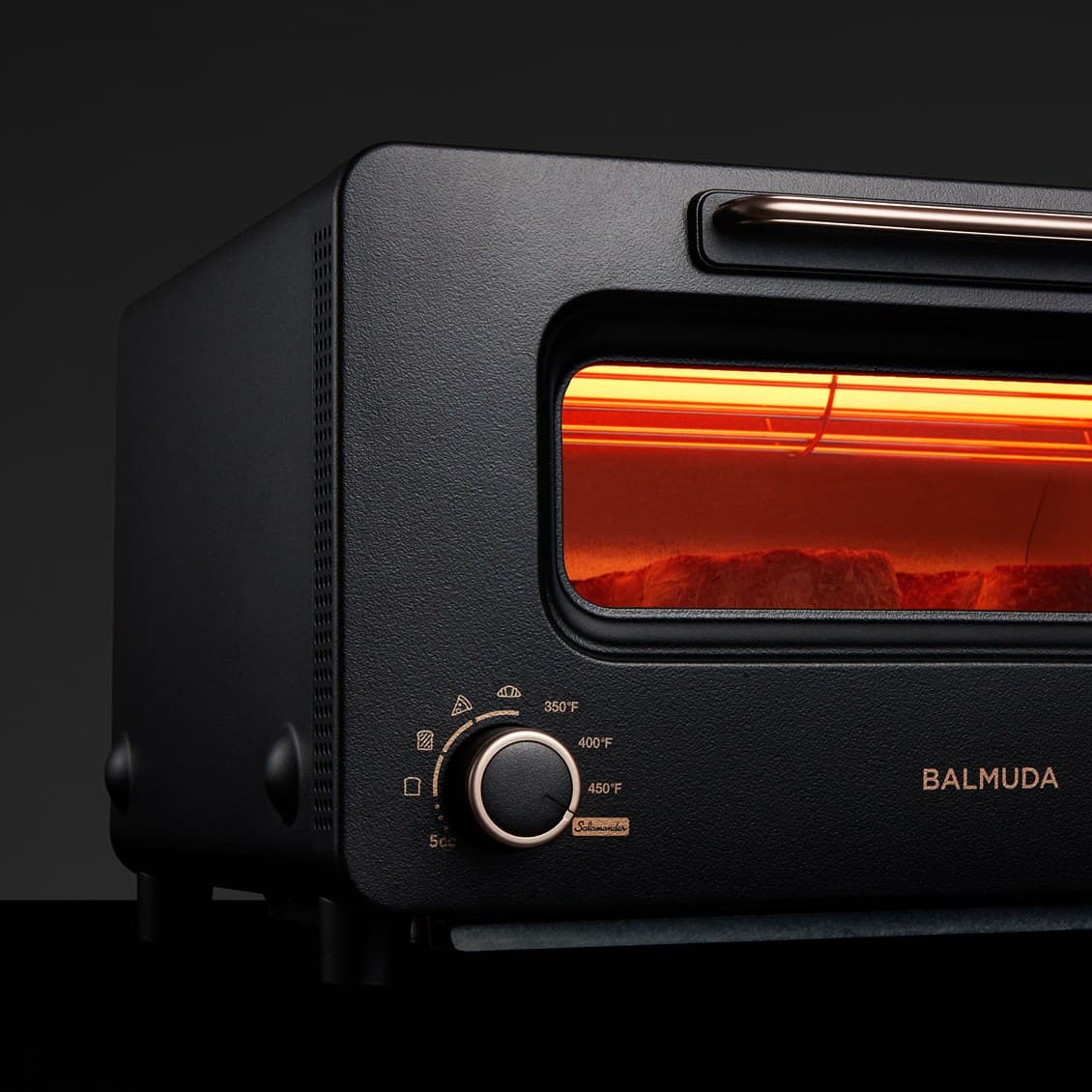
BALMUDA is a Tokyo-born, design-led appliance maker that proved product-market fit at home—its signature Toaster alone has sold 2M+ units in Japan. To grow beyond a maturing domestic market, the company targeted the United States as its next chapter.

Project Challenge
BALMUDA’s Japanese success meant nothing in America. Zero brand recognition. Zero cultural context. Zero margin for error.
The brief: transform an unknown Tokyo appliance maker into a credible challenger against established giants. But everything that worked in Japan could fail here. Japanese customers understood paying premium for thoughtful design. Americans wanted specs, deals, and proven performance.
The stakes made it worse. International expansion meant betting the company on a fundamental question: Would America pay $300 for a toaster from a brand they’d never heard of, in a category where “good enough” costs $30?
Frame BALMUDA like everyone else—specs, features, convenience—and disappear. Frame it too precious, too philosophical, and become irrelevant. We needed a truth that transcended culture while defending prices that defied logic.
The real challenge wasn’t introducing BALMUDA to America. It was introducing America to the idea that appliances could be more than appliances.
Insights
1. FOUNDER-LED COMPANIES OUTPERFORM BY 4X.
Gen Terao wasn’t just BALMUDA’s CEO; he was its compass. While competitors relied on spreadsheets, Terao trusted intuition. Products existed because they addressed what humans need—beauty, ritual, moments of delight.

2. D2C ALONE WOULDN’T CUT IT.
The 2014 playbook was dead. CAC exploded. Digital-only brands were drowning in performance marketing. To build lasting value, we needed physical experiences that made the philosophy tangible.

3. PROCESS WAS THE DIFFERENTIATOR.
BALMUDA didn’t chase features or optimize specs. They searched for what makes mornings feel hopeful, what turns cooking from chore to ritual. No spreadsheet required.
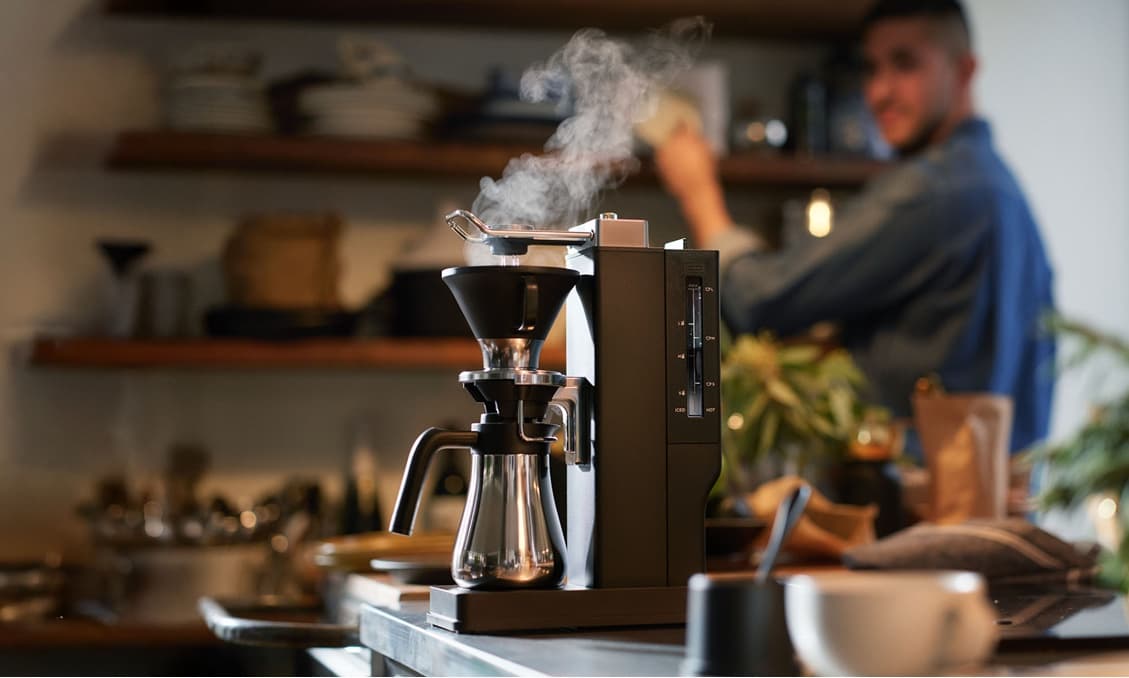
“Just Because” attracts people who want more from their appliances. People who value obsession over optimization. It filters for an audience that prizes a founder’s intuition as much as product performance.
Solution
STRATEGY: JUST BECAUSE
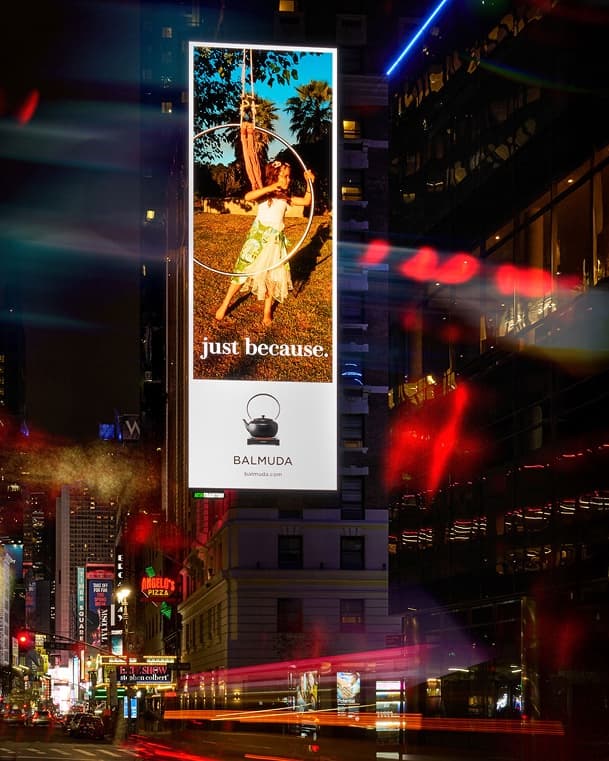
We defined BALMUDA’s U.S. strategy as “Just Because.” It captures the brand’s core contradiction: intuitive decisions that yield rational results. Terao follows feeling; the products outperform. “Just Because” turns founder DNA into strategy.

DIFFERENTIATION BY DEFYING CONVENTION
Spec wars are expensive and forgettable. “Just Because” gave BALMUDA a different battlefield where emotion and performance coexist.
The steam toaster works brilliantly, but we sell morning transformation. The engineering is exacting, but the story is human. In a category of boring rationality, this stood out.
BUILDING FANDOM, NOT CUSTOMER BASE
“Just Because” attracts people who want more from their appliances. People who value obsession over optimization. It filters for an audience that prizes a founder’s intuition as much as product performance.
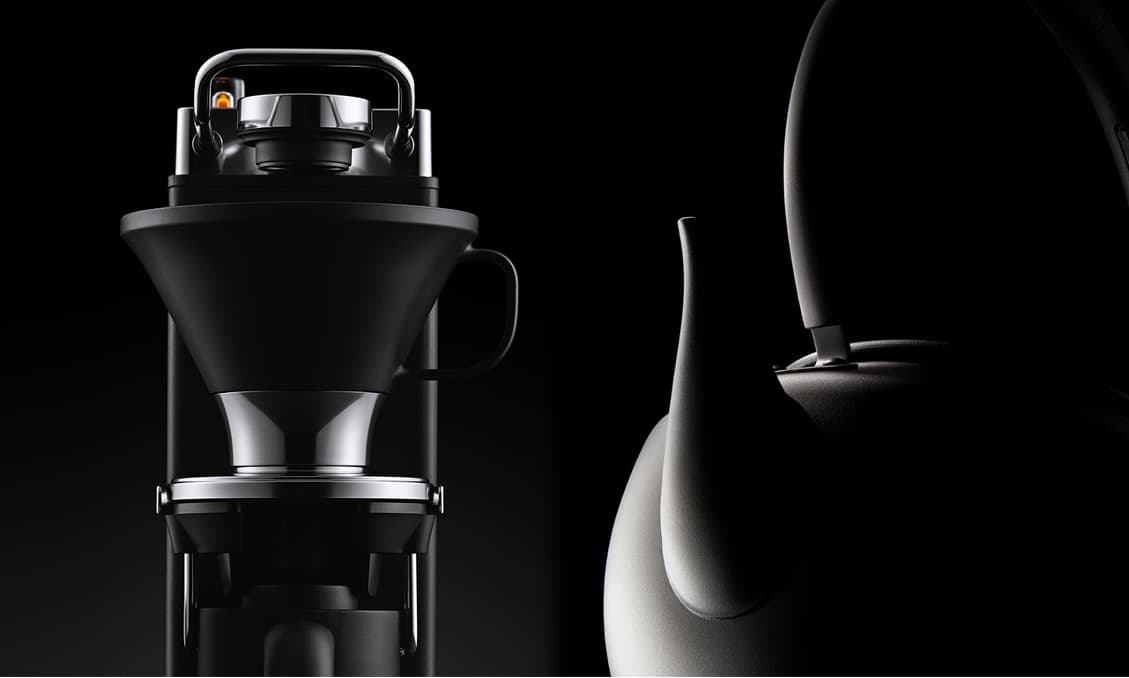
RESULT: BALMUDA OWNERS BUY 2.7 PRODUCTS ON AVERAGE—NOT JUST PURCHASING, BUT BELIEVING.
AUTHENTIC ADVANTAGE AT SCALE
We can’t outspend competitors on performance claims, but we can out-human them. “Just Because” translates Terao’s philosophy into a scalable moat: in every market, competitors explain features; BALMUDA simply acts like itself.

IN COMMODITIZED CATEGORIES, THE SEEMINGLY IRRATIONAL STANCE—MAKING DECISIONS “JUST BECAUSE”—BECOMES THE MOST DEFENSIBLE MOAT.