‘The Price of the Invisible’
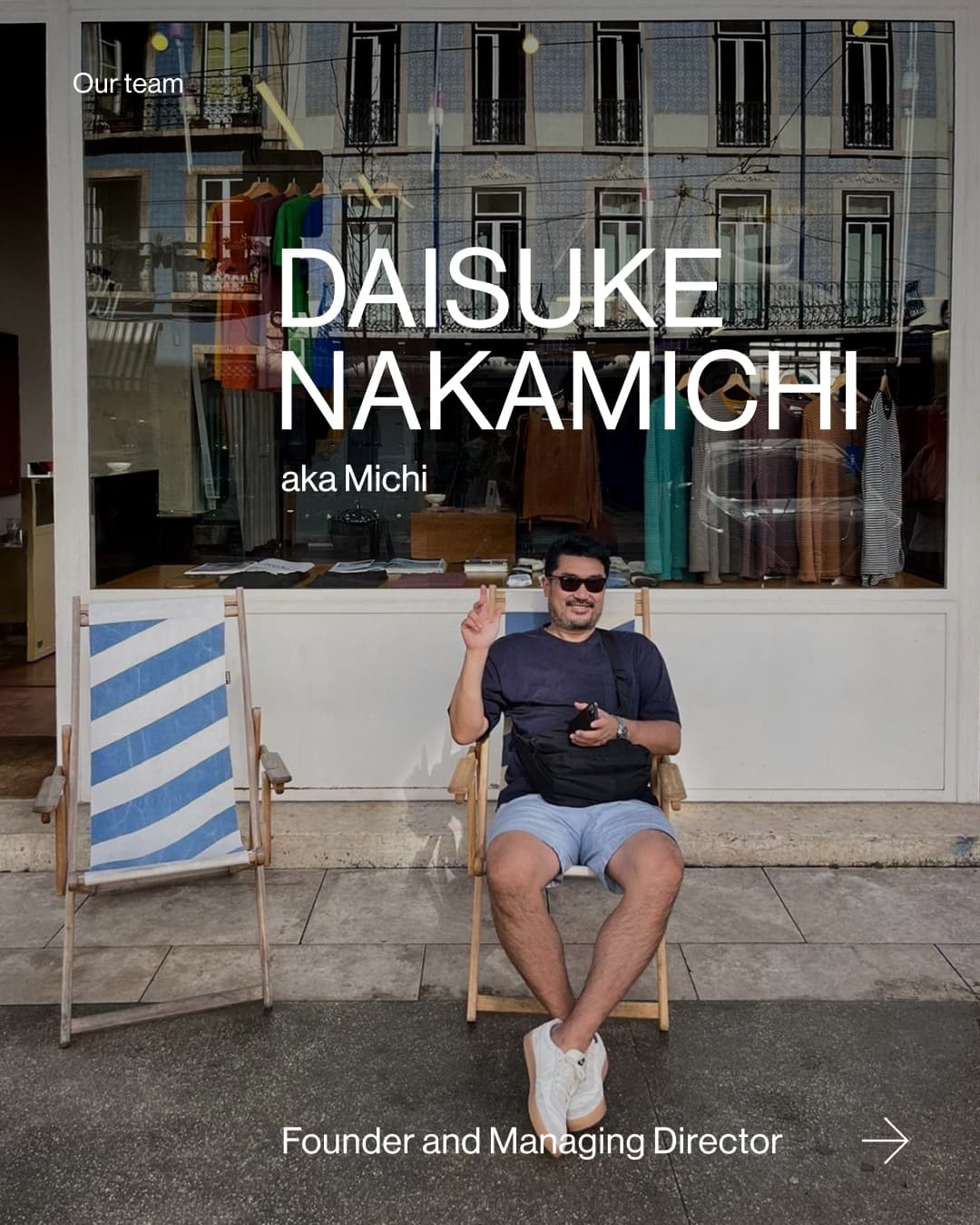
Daisuke Nakamichi
2026.09.29 · 4 min read
We call this Meaningful Premium: people willingly paying for value they recognise and find meaningful.
A company's most important asset does not appear on its balance sheet.
Factories, inventory and cash all appear on the balance sheet, but the reasons people choose a brand and are willing to pay its price cannot be read from the accounts. Much of the investment in developing those reasons is recorded as an expense, even as the market assigns value to what it may produce in the future. At K&C, we see the meaning people find in a brand, and the trust they place in it, as assets that support a company's growth. Building a brand means turning a company's strengths into something that matters to people and society, and through that, helping the business grow.
The importance of these unseen assets is reflected in how companies are valued. According to Ocean Tomo's research, tangible assets accounted for roughly four-fifths of the market value of S&P 500 companies in 1975. By 2025, an estimated nine-tenths was attributable to intangible assets. These include technology and intellectual property, so this is not all brand value. Even so, physical assets alone no longer adequately explain what a company is worth. Its value also depends on what people believe it is capable of, and how much they trust it.
Over many years of working with brands, I have repeatedly seen how connecting a product's quality with something people find meaningful changes what they are willing to pay for it. Running brands such as On and HOKA illustrate this. A distinctive approach to sole design informs the product, which in turn informs the world and experiences the brand creates around it, supported by the investment to reach people. When those decisions hold together, a functional difference becomes a reason to want a particular brand. People are paying for the product's performance, but also for what choosing it means to them.
With brands such as Satisfy and Gymshark, that value extends well beyond the product. Meeting people who share a sensibility, or taking part in a brand's activities, can create a feeling of belonging. This kind of relationship takes more than communicating what a company wants to say. It requires an understanding of what people care about and what the brand can contribute to their activities and culture. When those experiences reinforce what people understand about a brand, the relationship has a reason to continue beyond a single purchase.
Quality is a foundation for that relationship. But when several well-made products are available, a comparison of performance will only explain so much about the choice someone makes. People also consider what a brand believes, their experiences with it, and what they recognise in it that matters to them. As trust develops, it can give them the confidence to try another product or recommend the brand to someone else. For a business, that can mean being chosen without having to discount, or having a relationship to build on when entering a new market. We treat brand as a matter for business leadership because these relationships can support future earnings.
This perspective is particularly important for Japanese companies seeking to increase their value.
The Tokyo Stock Exchange has asked all companies listed on its Prime and Standard markets to address the cost of capital and their stock price in how they manage their businesses. Share buybacks, the unwinding of cross-shareholdings and cost reductions may all have a role to play. But reviewing capital allocation and expenditure still leaves the question of where future profits will come from. Alongside the efficiency developed through years of deflation, companies need to build the ability to be chosen at prices that reflect the value they offer. Investment in brand should be understood in those terms.
Japanese companies already have much to build on. Precision and care, together with technical knowledge and cultural traditions developed over generations, are present in the products they make and the way they work. Yet what is self-evident to the maker may never reach the person buying. Companies need to understand who those strengths matter to and why, and make them something people can experience through their products and services. We call this Meaningful Premium: people willingly paying for value they recognise and find meaningful. It can exist well beyond the luxury category, wherever there is a compelling reason to choose a brand and that reason supports its price.
Doing this well requires a company's convictions and commercial ambitions to be considered together. We work with clients to understand the strengths and beliefs that are particular to their business, and what those could mean in its relationships with people and society. That understanding needs to inform products, experiences and participation in culture, as well as how the brand expresses itself. Our work at K&C is to help the value within a company become something people outside it can recognise as meaningful in their own lives.
The reasons people choose a brand, pay its price and continue their relationship with it are never settled by a single initiative. They develop over time through what a company makes, how it behaves and how it relates to people and society. We regard what accumulates through those choices as an asset of the business. Helping investment in brand contribute both to sales today and to the future value of the company is a responsibility we share with our clients.
Citation
- Ocean Tomo, Intangible Asset Market Value Study
- Tokyo Stock Exchange, Action to Implement Management that is Conscious of Cost of Capital and Stock Price